
Page Contents
Are you eager to embark on an unforgettable day trip to either Lake Mead or the Hoover Dam but find yourself uncertain on where to begin? Fear not, for this article will provide you with the necessary guidance to plan a seamless and enriching excursion to these awe-inspiring destinations. Whether you are marveling at the architectural marvel of the Hoover Dam or soaking in the tranquility of Lake Mead, this comprehensive guide will equip you with the essential information and steps required to curate a remarkable day trip.
Choosing the Best Time to Visit
When planning a day trip to Lake Mead or the Hoover Dam, it’s important to first consider the best time to visit. Taking into account factors like the season, crowds, and weather forecast will help ensure a more pleasant and enjoyable experience.
Considering the Season
The season can greatly impact your visit to Lake Mead or the Hoover Dam. Summers in this region can be scorching hot, with temperatures soaring well above 100 degrees Fahrenheit. If you’re not a fan of extreme heat, it might be best to avoid the peak summer months. Spring and fall tend to offer more moderate temperatures, making them an ideal time to visit.
Avoiding Crowds
To make the most of your day trip, it’s always wise to avoid large crowds. Weekends, holidays, and school vacation periods are typically busier times, so consider planning your visit during weekdays or during off-peak seasons. This will allow you to explore and enjoy the attractions with fewer people around, enhancing your overall experience.
Checking the Weather Forecast
Checking the weather forecast before embarking on your day trip is essential. Extreme heat, strong winds, or rainstorms can significantly impact your visit. Make sure to keep an eye on the forecast and plan accordingly. It’s always a good idea to dress in layers and bring appropriate attire in case the weather changes throughout the day.
Deciding Whether to Visit Lake Mead or the Hoover Dam
Choosing between Lake Mead and the Hoover Dam can be a tough decision. Understanding the differences between the two and considering your personal preferences will help you make an informed choice.
Understanding the Differences
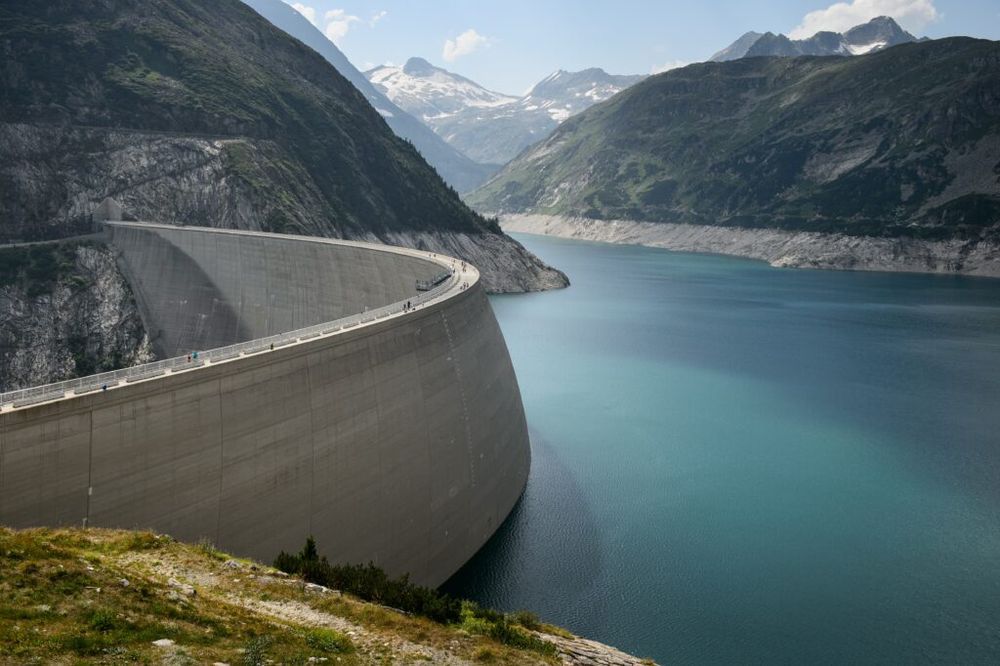
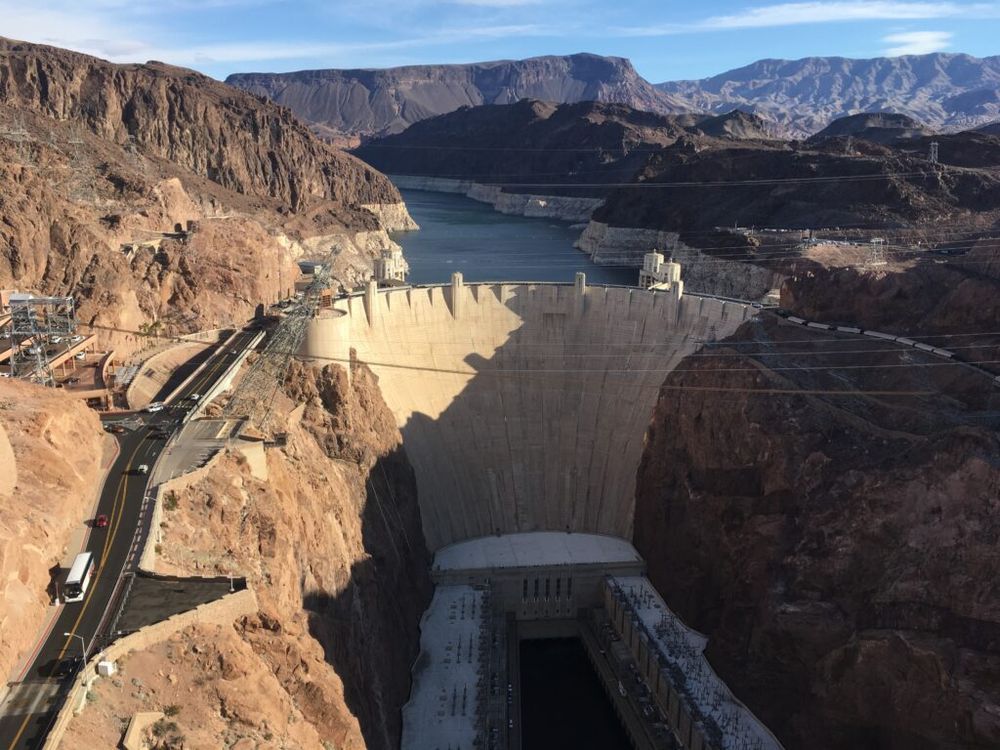
Lake Mead and the Hoover Dam are both prominent attractions in the southeastern part of Nevada, but they offer different experiences. Lake Mead is a vast reservoir known for its picturesque views, recreational activities such as boating and fishing, and opportunities for hiking and exploring nature. On the other hand, the Hoover Dam is a marvel of engineering, offering guided tours that allow visitors to learn about its history and significance.
Considering Personal Preferences
When deciding which destination to choose, consider your personal preferences. If you’re an outdoor enthusiast who enjoys water activities and natural beauty, Lake Mead might be the better option for you. On the other hand, if you’re fascinated by engineering marvels and interested in learning about the infrastructure behind the dam, the Hoover Dam might be the perfect choice.
Evaluating Time Constraints
Your available time should also factor into your decision. If you have limited time and want to explore the area more extensively, Lake Mead might be the better choice due to its larger size and more diverse range of activities. However, if you have a specific interest in the Hoover Dam’s history or are short on time, visiting the dam may be the more suitable option.
Researching and Gathering Information
Before embarking on your day trip, it’s essential to gather all the necessary information to make the most of your visit. By exploring official websites, reading guidebooks and online resources, and seeking recommendations and reviews, you can ensure a well-planned and successful trip.
Exploring Official Websites
Start by visiting the official websites of Lake Mead and the Hoover Dam. These websites often provide detailed information about opening hours, admission fees, guided tours, and any special events or activities happening during your visit. Familiarize yourself with the available amenities, rules and regulations, and any other important details to maximize your time at these attractions.
Reading Guidebooks and Online Resources
Guidebooks and online resources can provide valuable insights and tips from experienced travelers and locals. They often offer recommendations on the best routes, attractions to prioritize, and hidden gems to explore. Reading reviews and personal accounts can give you a better understanding of what to expect and help you plan a more tailored itinerary.
Seeking Recommendations and Reviews
Reach out to friends, family, or colleagues who have visited Lake Mead or the Hoover Dam before. Their firsthand experiences and recommendations can be invaluable in helping you plan your day trip. Additionally, check online platforms and travel forums for reviews from fellow travelers, as these can offer insights and tips that might not be available elsewhere.
Determining the Length of the Trip
The length of your day trip is an important consideration when planning your visit to Lake Mead or the Hoover Dam. Taking into account travel time, sightseeing time, and time for activities and meals will help you design a realistic and well-paced itinerary.
Considering Travel Time
Calculate the travel time to Lake Mead or the Hoover Dam from your starting point. This can vary based on your location and the mode of transportation you choose. Consider traffic conditions, potential detours, and the time it takes to reach these attractions to avoid any unnecessary stress or delays.
Factoring in Sightseeing Time
Allocate enough time for sightseeing at Lake Mead or the Hoover Dam. These attractions offer various points of interest, and it’s important to set aside ample time to explore and immerse yourself in their beauty and history. Consider the number of viewpoints, exhibits, or landmarks you wish to visit, and determine how much time you would like to spend at each location.
Time for Activities and Meals
Plan for activities and meals during your day trip. If you’re interested in recreational activities at Lake Mead, such as boating, fishing, or hiking, make sure to allocate sufficient time for these activities. Additionally, plan for meal breaks, whether you choose to pack a picnic or dine at one of the onsite restaurants. Allotting time for these essential aspects will ensure a more balanced and fulfilling experience.
Transportation Options
When planning a day trip to Lake Mead or the Hoover Dam, you have several transportation options to consider. Each option has its advantages and considerations, so it’s important to choose the mode of transportation that best suits your needs.
Driving by Personal Vehicle
Driving by personal vehicle offers flexibility and convenience. It allows you to set your own schedule and explore at your own pace. Make sure to have a reliable GPS or map, as well as knowledge of the route and parking options. Keep in mind that parking spaces can be limited during peak seasons, so arrive early to secure a spot.
Public Transportation
Public transportation is an environmentally friendly option that can reduce stress and eliminate the need for parking. Check if there are any bus or train routes that go directly to Lake Mead or the Hoover Dam. Research the schedules and plan your trip accordingly. This option may require additional walking or transfers, so consider the time it takes to reach and navigate the attractions.
Organized Tours
Joining an organized tour can be a hassle-free way to visit Lake Mead or the Hoover Dam, especially if you prefer not to drive or navigate public transportation. Many tour companies offer guided trips with transportation included. These tours typically provide insightful commentary and may even offer additional activities or stops along the way. However, keep in mind that you will have less flexibility in terms of scheduling and duration.
Planning Ahead for Permits and Fees
When planning your day trip to Lake Mead or the Hoover Dam, it’s important to be aware of any permits and fees that may be required. Understanding these costs and regulations in advance will help you budget accordingly and avoid any surprises.
Understanding Permits and Passes
Certain activities at Lake Mead, such as camping or fishing, may require permits. Research the specific permits needed for your desired activities and make sure to obtain them before your visit. Additionally, if you plan to visit any national parks or recreational areas, consider purchasing an annual pass, which can provide cost savings if you frequent such locations.
Checking Entrance Fees and Parking Charges
Both Lake Mead and the Hoover Dam have entrance fees, which can vary depending on the type of vehicle and the activities you wish to engage in. Check the official websites or contact the visitor centers for up-to-date information on entrance fees and parking charges. Budgeting for these costs in advance will help you plan your trip more effectively.
Considering Additional Activity Costs
In addition to the entrance fees, certain activities may require additional costs. For example, if you decide to go on a guided tour at the Hoover Dam, there may be an additional fee. Research the specific activities you wish to participate in and make sure to allocate funds accordingly. Being aware of these potential costs will help you plan your budget and avoid any unexpected expenses.
Preparing Necessary Equipment
To ensure a comfortable and enjoyable day trip to Lake Mead or the Hoover Dam, it’s essential to pack the necessary equipment. Consider items like water bottles and snacks, comfortable clothing and footwear, sunscreen and hats, a camera or smartphone, as well as binoculars and guidebooks.
Water Bottles and Snacks
Staying hydrated is crucial, especially in the desert climate surrounding Lake Mead and the Hoover Dam. Pack plenty of water bottles to keep hydrated throughout the day. Additionally, bring along some snacks to keep your energy levels up, particularly if you plan to engage in physical activities like hiking.
Comfortable Clothing and Footwear
Selecting the right clothing and footwear is important for a day of exploration. Choose lightweight, breathable clothing that will keep you cool in the hot weather. Opt for comfortable footwear that is suitable for walking or hiking, depending on your planned activities. It’s also a good idea to pack a light sweater or jacket in case the temperature drops in the evening.
Sunscreen and Hats
Protecting yourself from the sun’s harmful rays is essential when spending time outdoors. Apply sunscreen liberally before and during your visit to Lake Mead or the Hoover Dam. Pack a hat and sunglasses to shield yourself from direct sunlight and reduce the risk of sunburn or heatstroke.
Camera or Smartphone
Bringing a camera or smartphone is a great way to capture the beauty of Lake Mead or the Hoover Dam. Whether you’re a photography enthusiast or simply want to document your experience, having a device to capture moments and stunning views is essential. Don’t forget to charge your device fully before leaving and bring extra batteries or a portable charger if needed.
Binoculars and Guidebooks
Binoculars can enhance your experience by allowing you to observe wildlife, birds, or distant landmarks with more detail. If you’re interested in birdwatching or enjoy studying nature closely, having a pair of binoculars on hand can greatly enrich your day trip. Additionally, consider bringing along guidebooks that provide information about the plants, animals, and history of the region.
Ensuring Safety and Health
Safety and health should always be a top priority during a day trip to Lake Mead or the Hoover Dam. Being prepared and aware of potential risks will help you have a safe and enjoyable experience.
Staying Hydrated
As mentioned earlier, staying hydrated is crucial in the desert climate. Drink plenty of water throughout your visit and avoid excessive exposure to the sun. Remember to bring enough water bottles and refill them as needed.
Applying Sunscreen Regularly
Protecting your skin from the sun’s harmful UV rays is essential. Apply sunscreen regularly, even on cloudy days, and reapply it every two hours or more frequently if you’re sweating or swimming. Don’t forget to cover exposed areas like the back of your neck, ears, and the tops of your feet.
Being Aware of Wildlife and Dangerous Plants
While exploring the natural areas around Lake Mead, be aware of wildlife and potentially dangerous plants. Avoid approaching or feeding any wildlife and keep a safe distance. Familiarize yourself with the local flora and be cautious of plants like cacti or poisonous shrubs that could cause harm if touched.
Following Park Rules and Guidelines
Respecting and adhering to park rules and guidelines is essential for your safety and the preservation of the environment. Observe any posted signs, stay on designated paths or trails, and respect any closures or restrictions in place. Help keep the area clean and pristine for future visitors by disposing of trash properly.
Creating an Itinerary
To make the most of your day trip, creating an itinerary can help you stay organized and ensure you don’t miss any must-see points of interest. Divide your day into time blocks and allocate specific activities or landmarks to each block.
Setting Time for Arrival and Departure
Before diving into the details of your itinerary, establish a set time for your arrival and departure. Consider the driving or transportation time, as well as the desired duration of your visit. This will serve as a framework for your itinerary and help you allocate time for each activity.
Determining Key Points of Interest
Identify the key points of interest you want to visit at Lake Mead or the Hoover Dam. These can include viewpoints, exhibits, hiking trails, or specific attractions within the area. Research these locations in advance to understand their significance and determine the amount of time you want to spend at each.
Allocating Time for Activities and Rest
Balance your itinerary by allocating time for both activities and rest. While it’s exciting to explore and see as much as possible, giving yourself breaks in between activities will prevent exhaustion and allow you to fully enjoy each experience. Consider adding short breaks to relax, have a snack, or simply soak in the beauty of the surroundings.
Including Meal Breaks
Don’t forget to include meal breaks in your itinerary. Whether you plan to have a packed picnic or dine at one of the onsite restaurants, allocating time for meals is crucial for maintaining energy levels throughout the day. Make sure to factor in any waiting times or reservations required at the chosen dining option.
Packing, Dressing, and Preparing for the Day
On the day of your visit, being adequately prepared will ensure a smoother and more enjoyable experience. Taking care of packing essentials, wearing suitable clothing, checking the local weather conditions, and informing family or friends of your plans are all important steps.
Choosing the Right Backpack and Packing Essentials
Select a suitable backpack that is comfortable to carry throughout the day. Pack essentials such as water bottles, snacks, sunscreen, hats, sunglasses, a camera or smartphone, binoculars, guidebooks, a sweater or jacket, and any necessary permits or passes. Organize your backpack in a way that allows easy access to frequently used items.
Wearing Comfortable and Suitable Clothing
Wear comfortable clothing that is appropriate for the weather and activities of the day. Lightweight and breathable fabrics are ideal for the hot desert climate. Opt for closed-toe shoes that offer good support and are suitable for walking or hiking. Dressing in layers will allow you to adjust to any temperature changes throughout the day.
Checking Local Weather Conditions
Before heading out, check the local weather conditions to ensure you’re prepared for any potential changes. Knowing the forecast will help you dress appropriately, pack the necessary items, and be mentally prepared for any unfavorable conditions. Be ready for sudden weather changes in case unexpected showers or winds occur.
Informing Family or Friends of the Plan
It’s always a good safety practice to inform family or friends of your day trip plans. Share with them your itinerary, estimated arrival and departure times, and contact information for the attractions you plan to visit. This information will be useful in case of any emergencies and provide peace of mind to your loved ones.
Planning a day trip to Lake Mead or the Hoover Dam requires careful consideration and preparation. By choosing the best time to visit, deciding between the two attractions, researching and gathering information, determining the trip length, considering transportation options, planning for permits and fees, preparing necessary equipment, ensuring safety and health, creating an itinerary, and packing accordingly, you can have a well-planned and memorable experience at these beautiful destinations. Enjoy the beauty and wonders that Lake Mead and the Hoover Dam have to offer!